
Sa. Okt. 24 | 08:49
24.10. | 08:49
|
8°C 
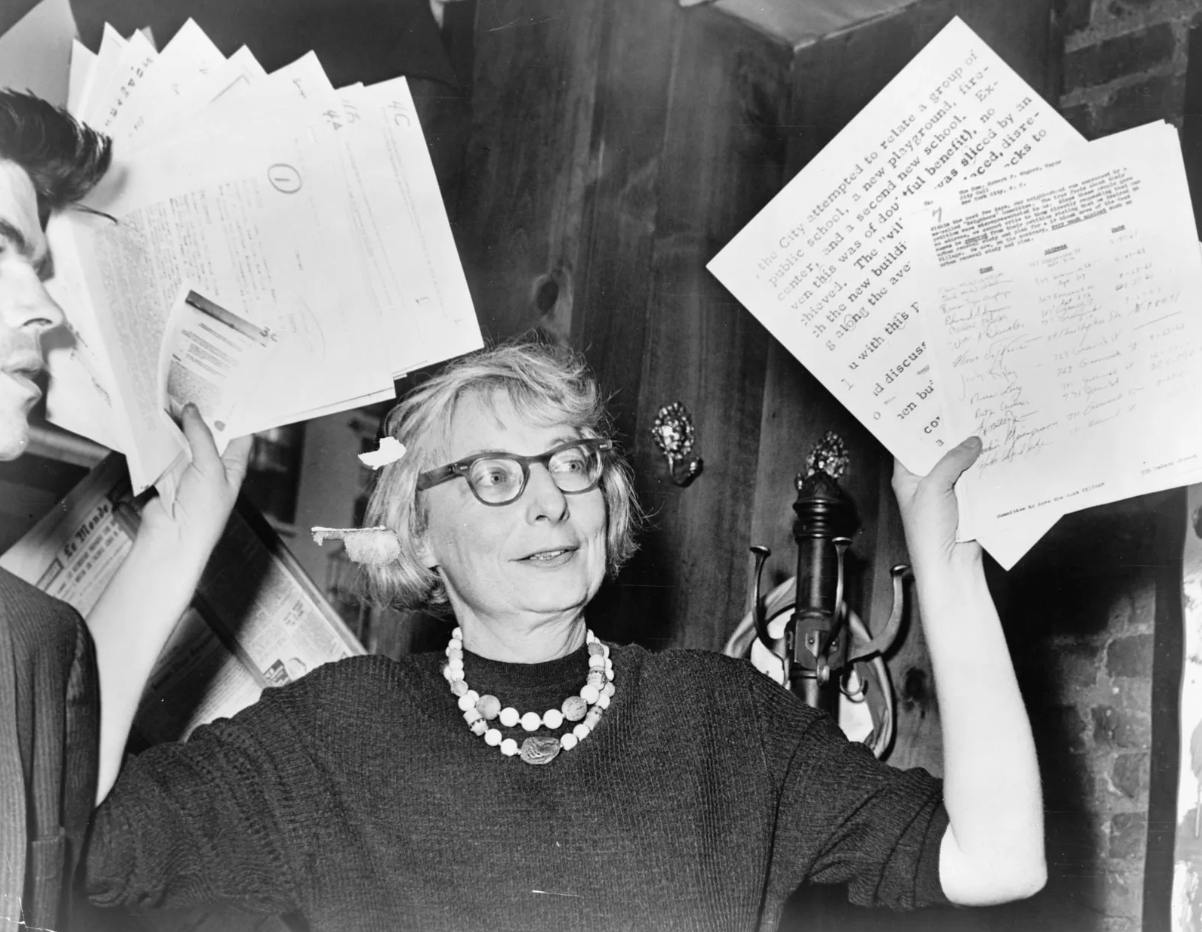
Jane Jacobs is the American urbanist who inspired Eugene Quinn to explore Vienna. She campaigned hard for community, and against cars. She explored what makes for good streetlife, and why some districts are so much more fun and social than others. Please read her book The Death and Life of Great American Cities. On her birthday weekend every year, groups around the world lead walks to start debates and get to know their neighbourhood better. That was in May, and very popular, and now we repeat it (for free), with a screening of the documentary Citizen Jane, and then a chat between Cornelia Dlabaja, from Jane's Walk and FH Wien, a sensitive tourism researcher.
While most Jane's Walks focus on a Grätzel, we will do the opposite. We will drift along a pop-up community, which collects on each summer night, and seek to build bridges. We want to tell the story of this transformed part of central Vienna.
Come and explore Vienna's catwalk, a spontaneous urban development along both sides of the central Danube Canal. Since 2003, this lively public space - with no security guards, barriers, or pressure to consume, has evolved into a fun, friendly alternative to the tourist cliches of the Inner City. With good music, interesting street art, and a pop-up scene that changes each summer, this is as cool as Vienna gets. And attracts an unusual mix of migrants, creatives, local residents and visitors. Eugene will introduce you to his own Viertel.
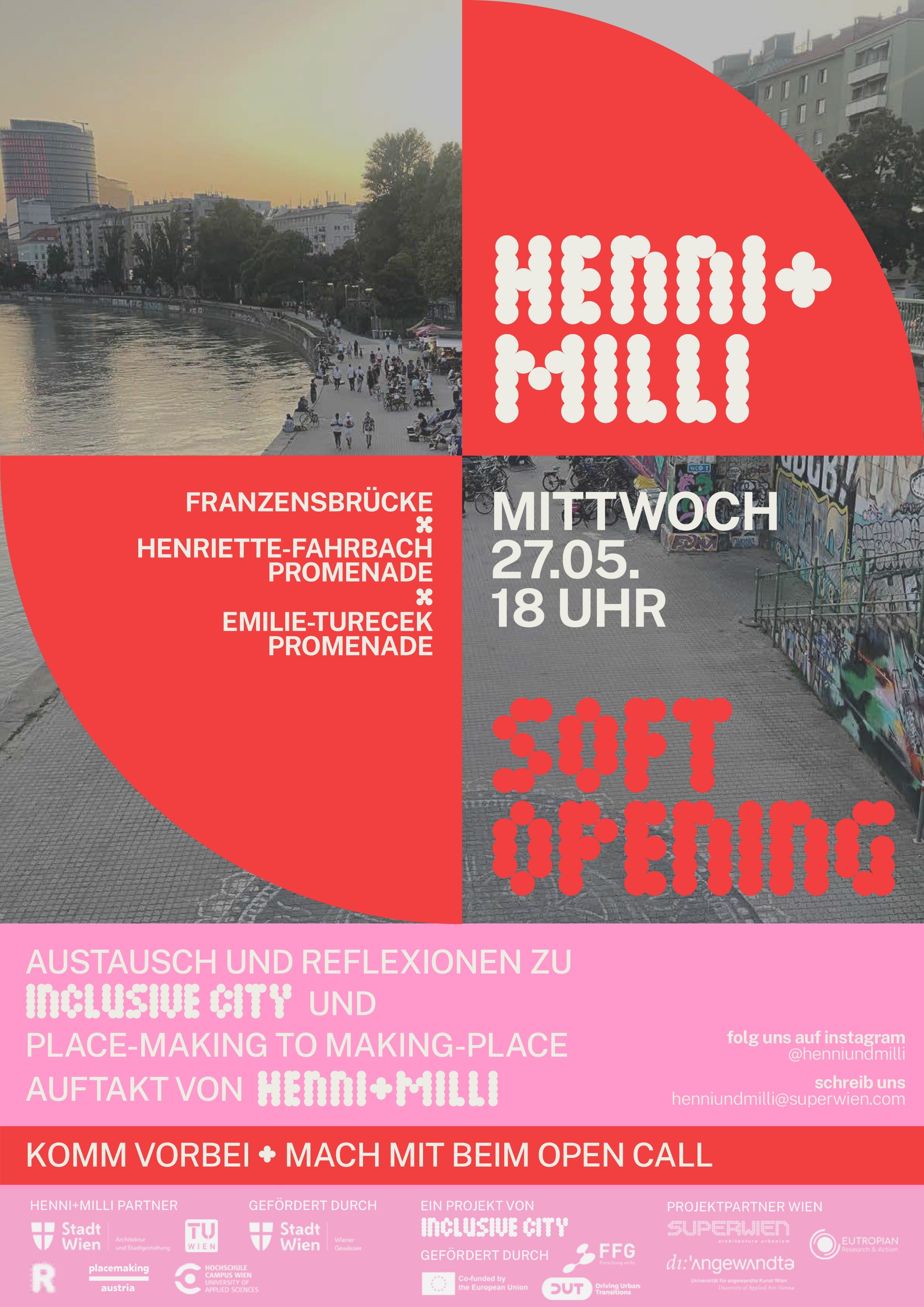
Here is a flyer from the opening of this series of events, called inclusive city from Henni + Milli, since it shows the location clearly. Eugene is thrilled to be working with Roland Krebs again, from Superwien, since we made a tour of Zirkusgasse together in 2024...
Free Tour, no registration is needed.
Walk Leader: Eugene Quinn
Some of the questions we will explore on this unusual tour:
Who comes here, and why? (It is one of the few places in Vienna where tourists and locals mix up happily.)
How it works to present Vienna differently internationally
Significance of Danube to Vienna and central Europe, as iconic river.
Nobody swims here, yet The Guardian voted it one of top 10 urban beaches in Europe (there is a student-led swim Verein, but most of us have never seen anybody here in the river.
Why there is no barrier to protect party people and cyclists from falling into the river.
How the area is changing fast, because of gentrification and Ulli Sima. As rival to Copa Beach (formerly Copa Kagrana, where people actually swim).
Graffiti & feminism.
Schwedenplatz chaos. Rival to Flex & Bermuda Dreieck. It is not yet uncool. How much for a beer? Romantic to sit on edge, though no sunset at this angle. Used to be empty 15 years ago, and is all winter.
What happend to the Schoene Blaue Donau!? And how the river has moved, since Roman times.
Urania as observatory, cinema, cafe and adult education.
Im werd= im sumpf. Therefore ghetto and rents lower even now.
How Karmeliterviertel has evolved, from Jewish Ghetto to Soviet part of city, which was worst part. To Bobostan.
UNESCO world heritage site!
I love the chaos! Always open and so un-Viennese. Like Lugner City! A great mix of people who do not come together in other parts of the city.
Catwalk for the city.
It was a famous suicide place in 1920s and 1930s.
How does this area function, as a Gateways to the city, for arrivals from Bratislava.
Difference between north and south of riverbank. Sunshine and shade.
Brigittenau and Leopoldstadt together form an island in the middle of the city. But don’t call it 2nd district: call it Leopoldstadt. This is Eugene's own Graetzel.
Truly public space and konsumfrei
Graffiti vs street art – many do not want to be told by government where to paint.
https://janeswalk.at/walks/donaukanal-lively-spontaneous-pop-up-wien/