Sa. Okt. 17 | 20:49
17.10. | 20:49
|
15°C 
Look carefully at Vienna and you will start to notice something strange.
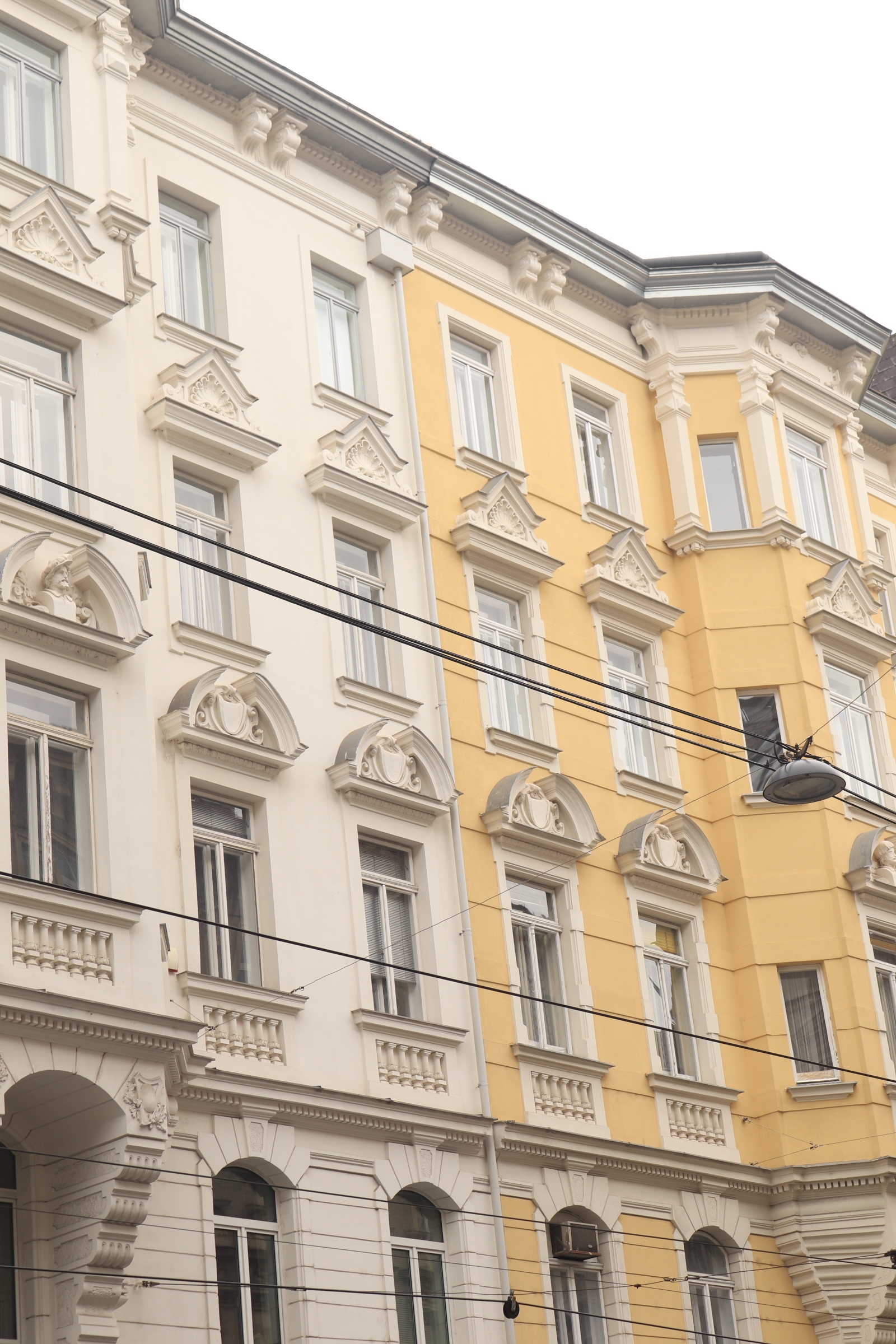
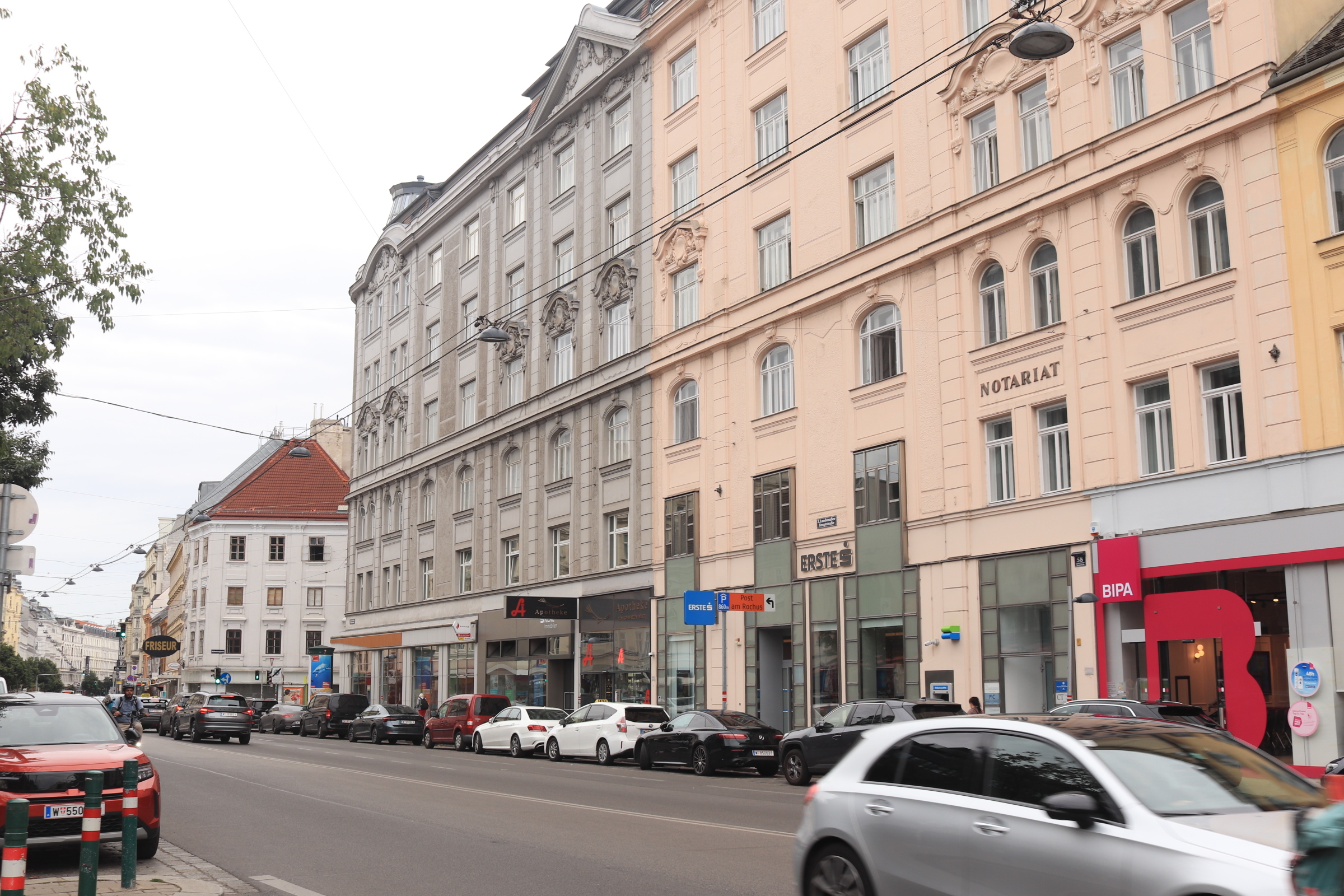
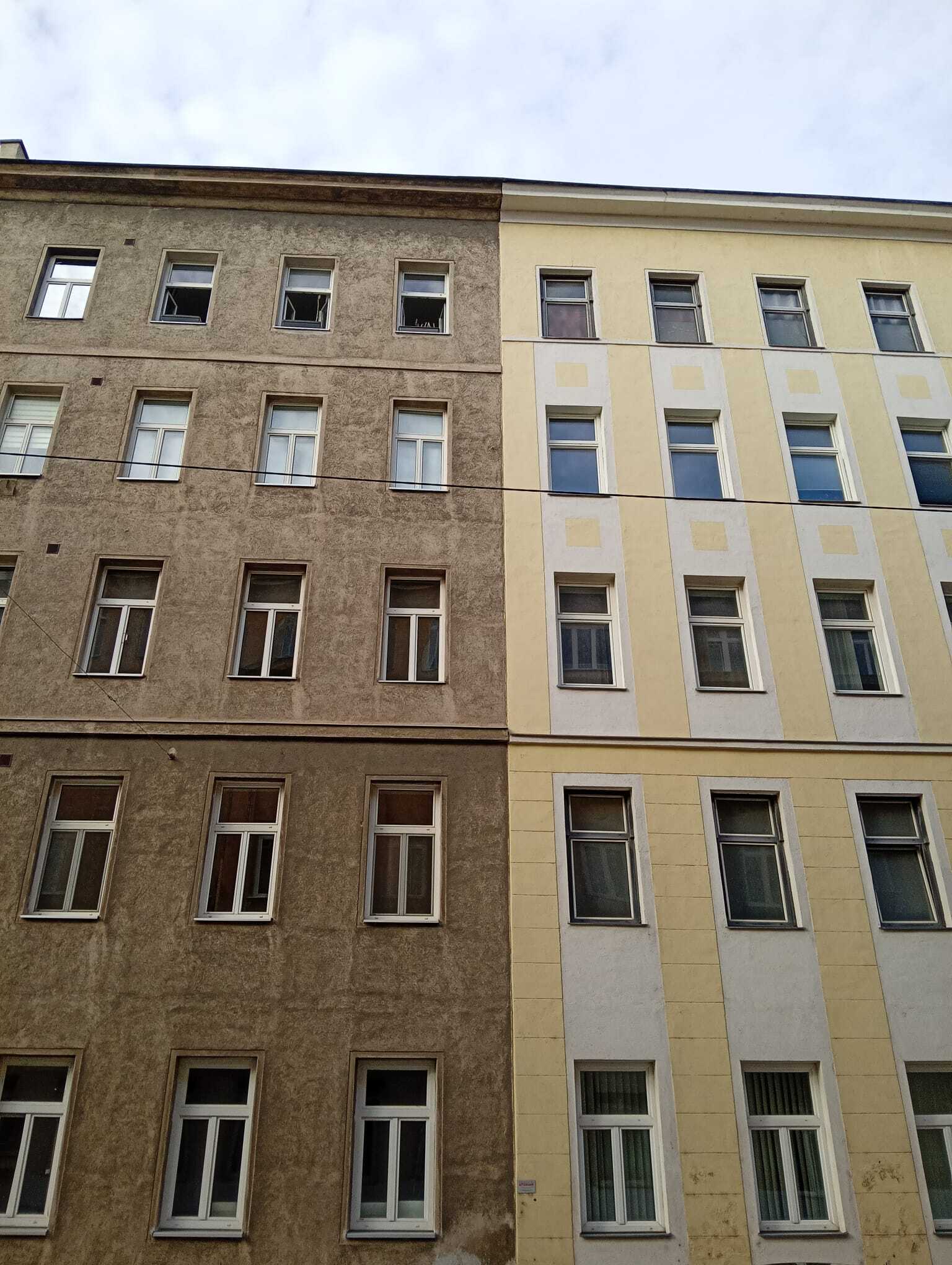
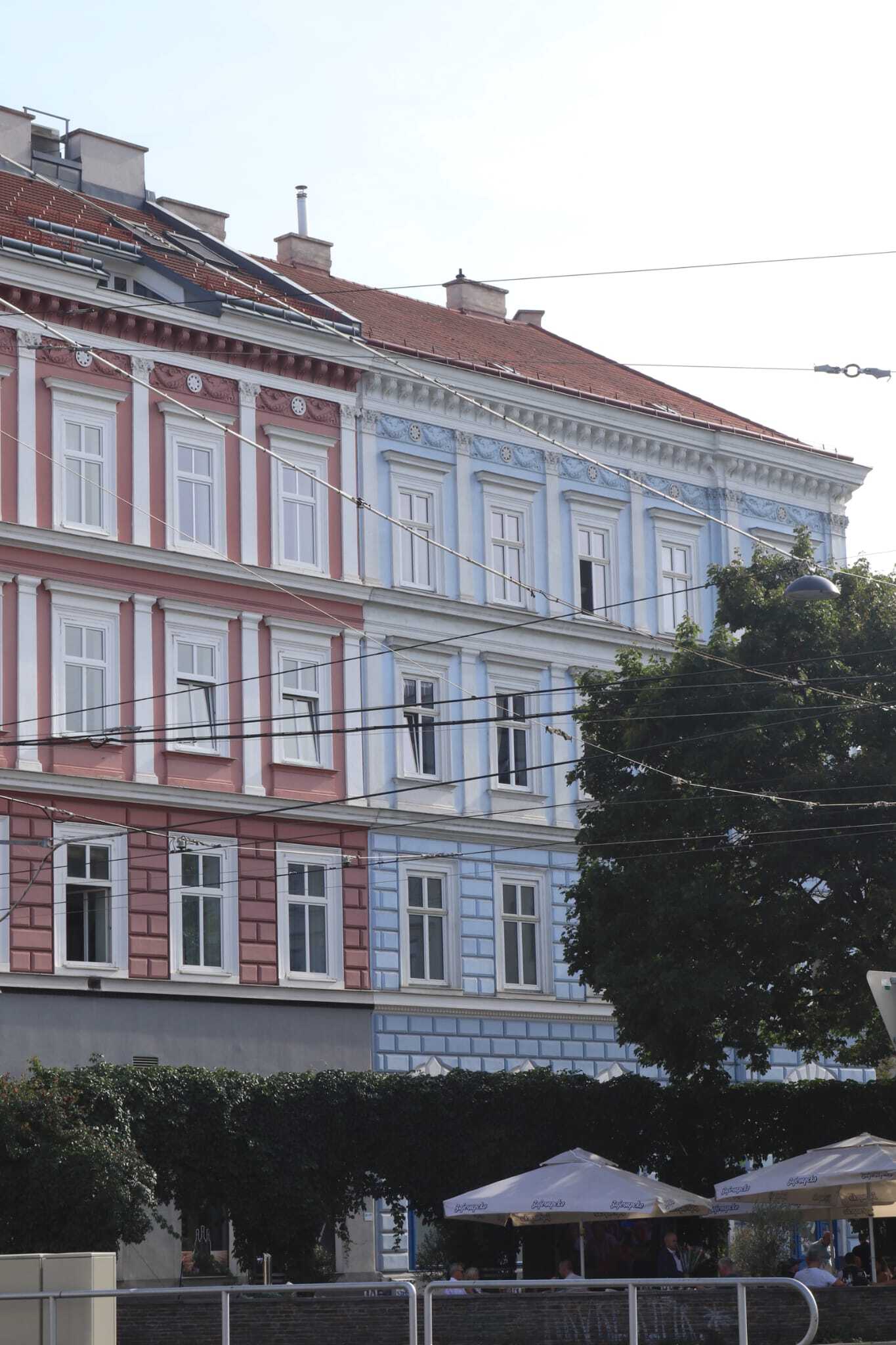
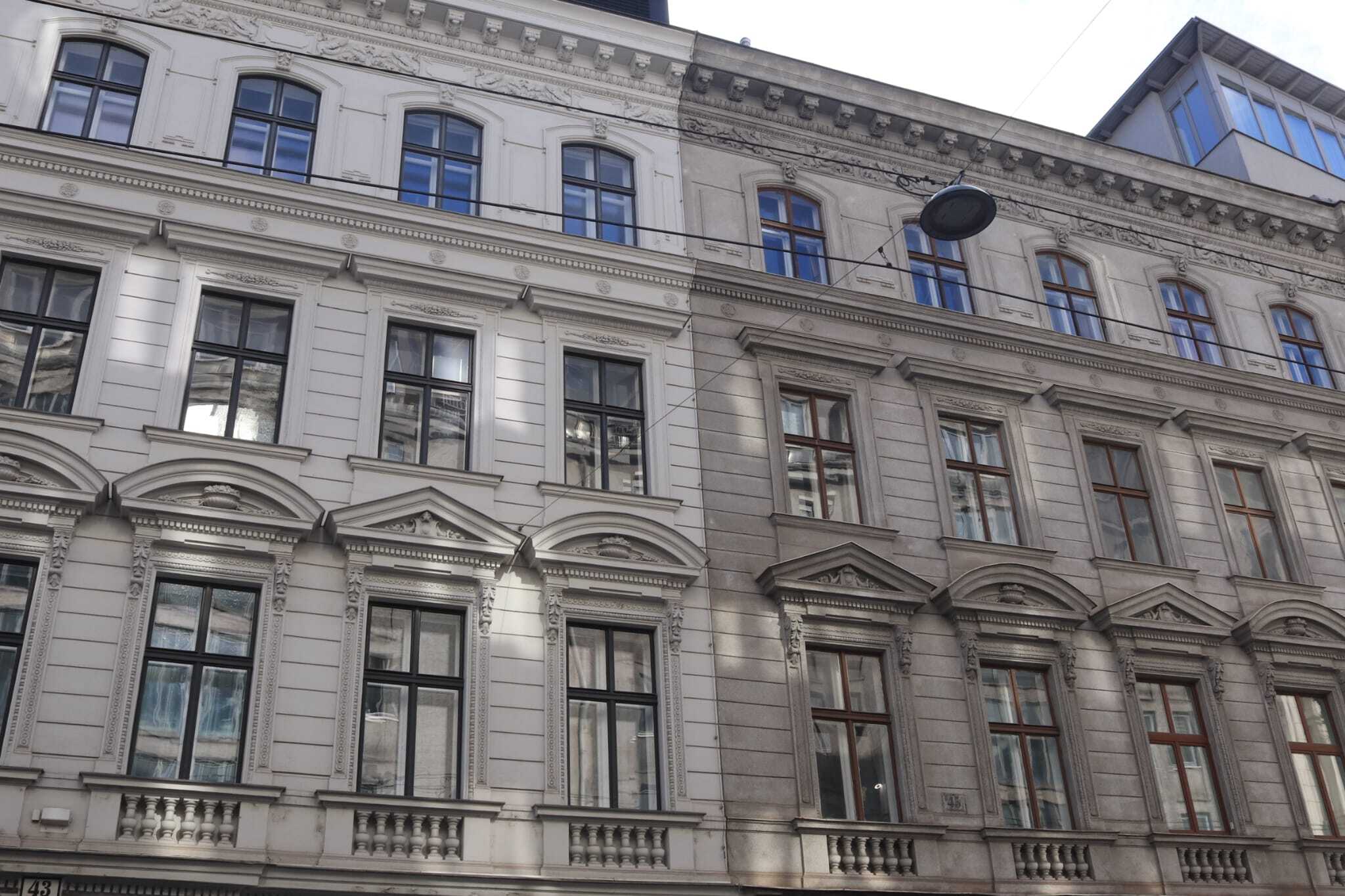
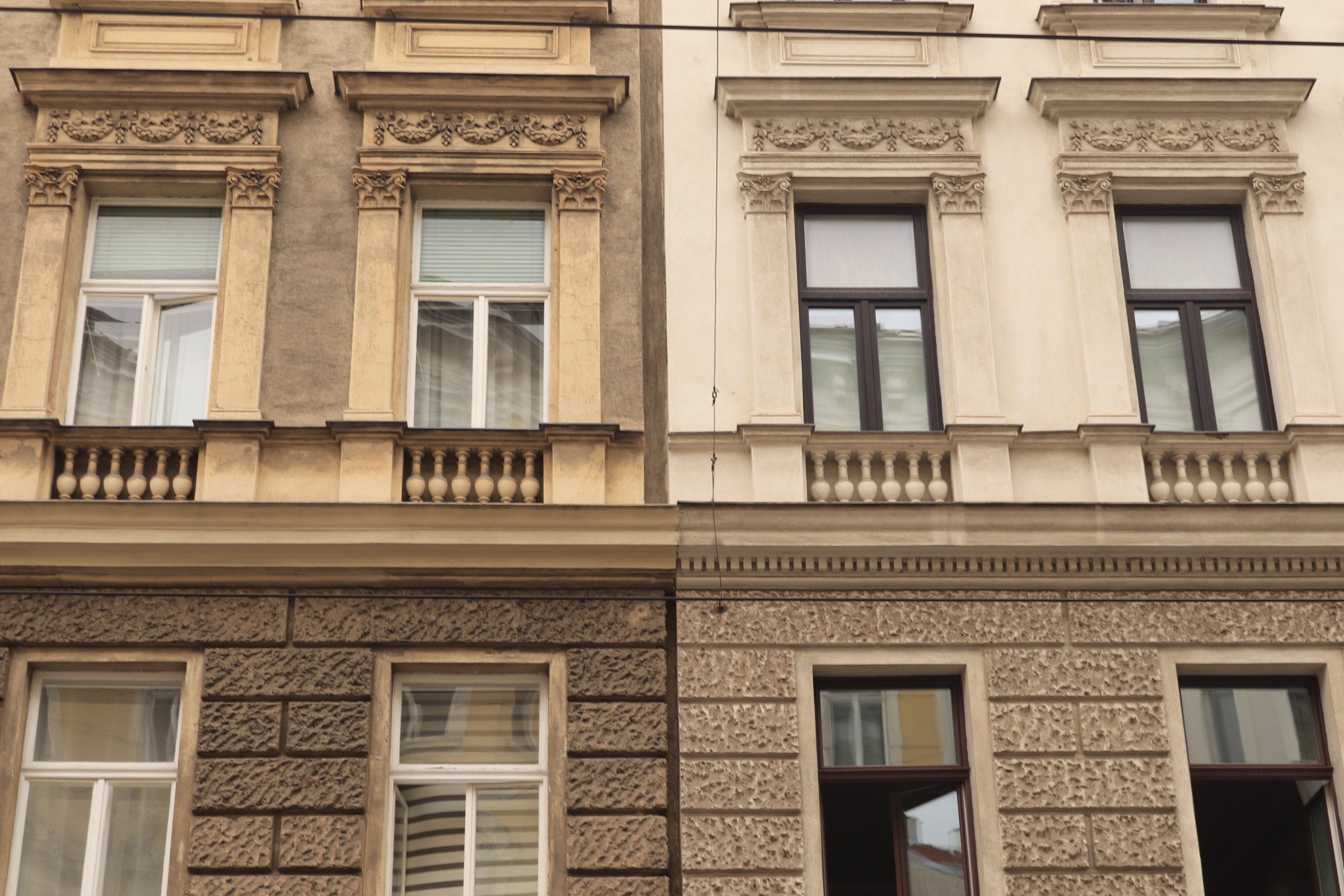
Some buildings seem to be having an argument.
Not across the street. Not even across the neighbourhood. Sometimes, the argument is happening on the very same façade.
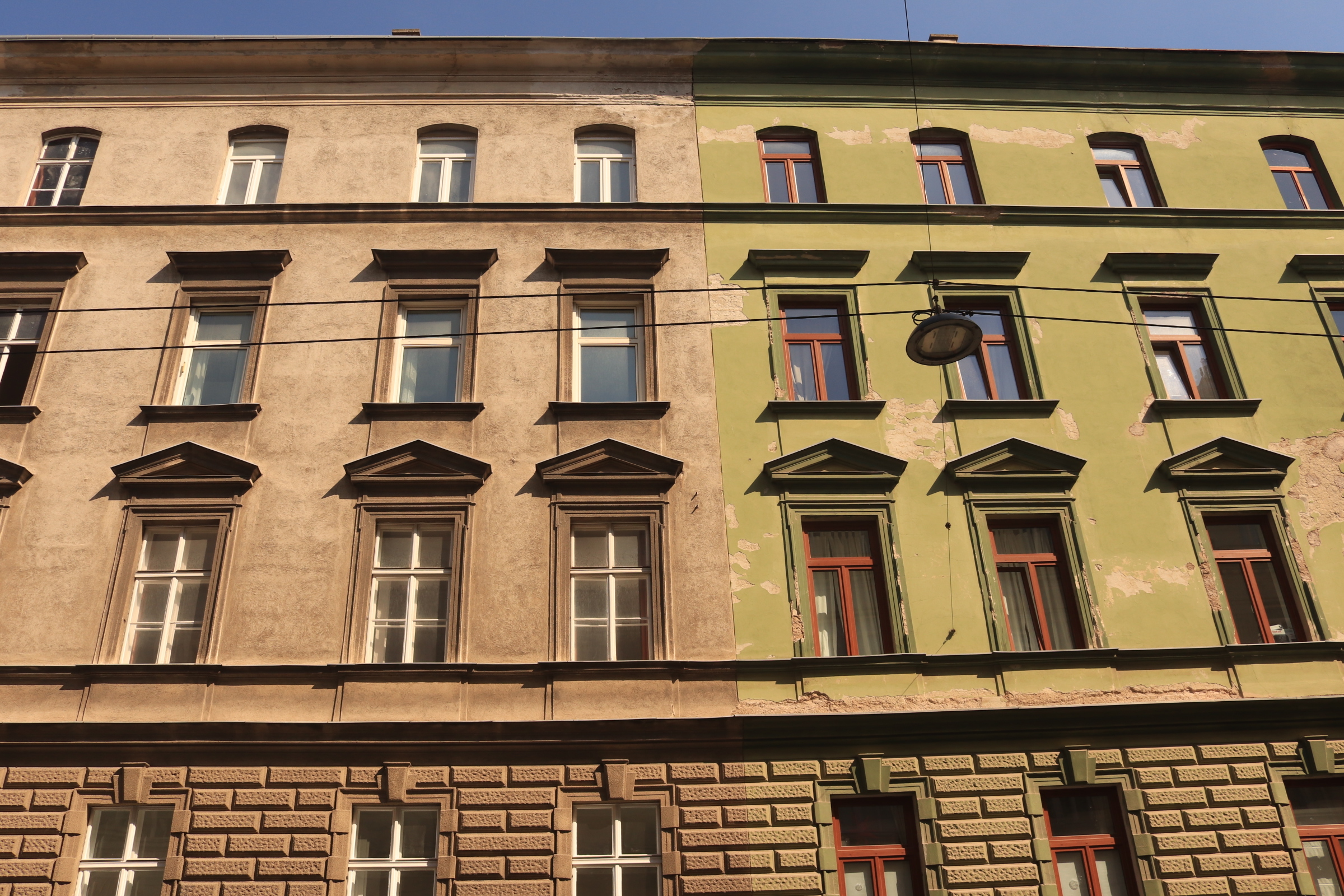
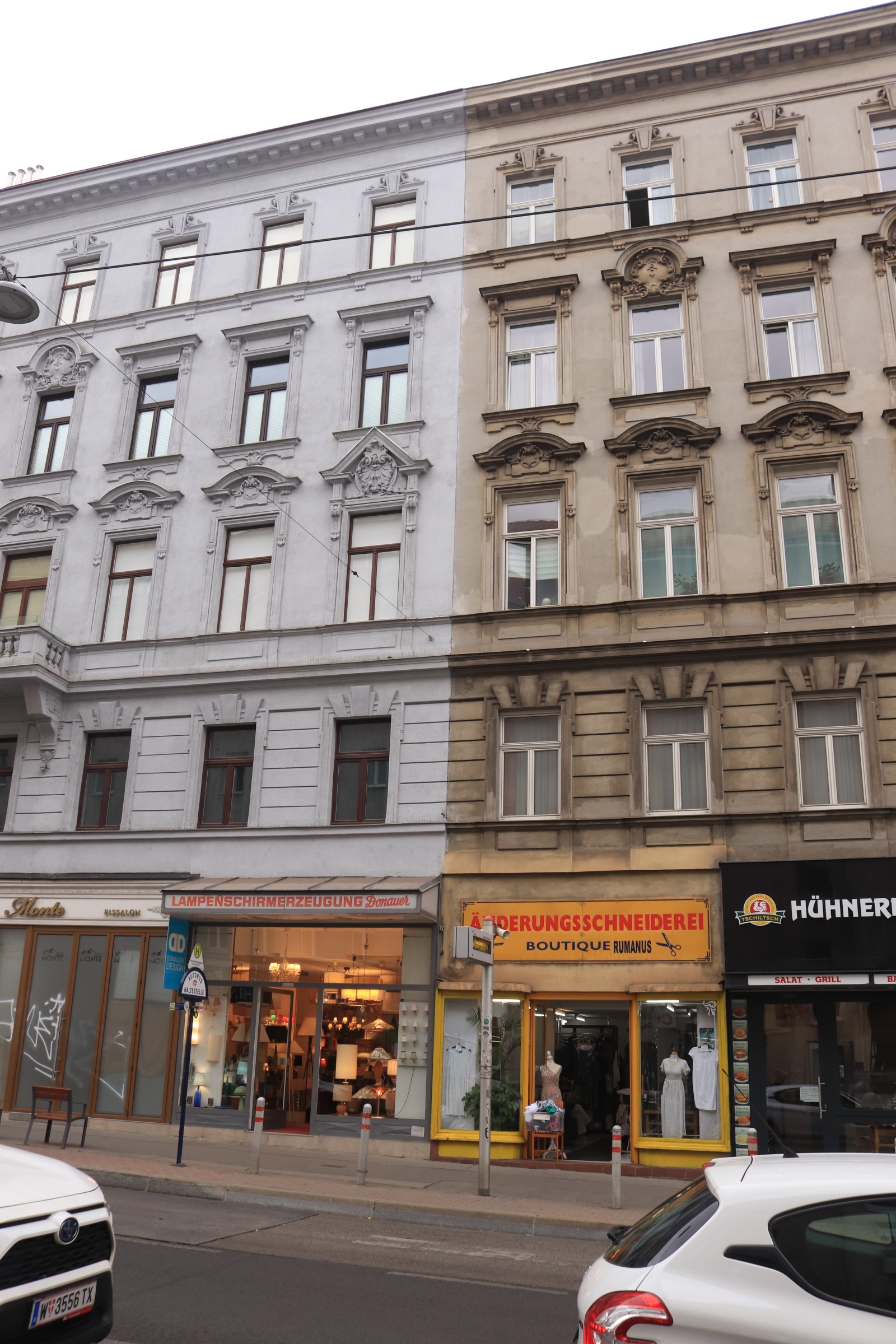
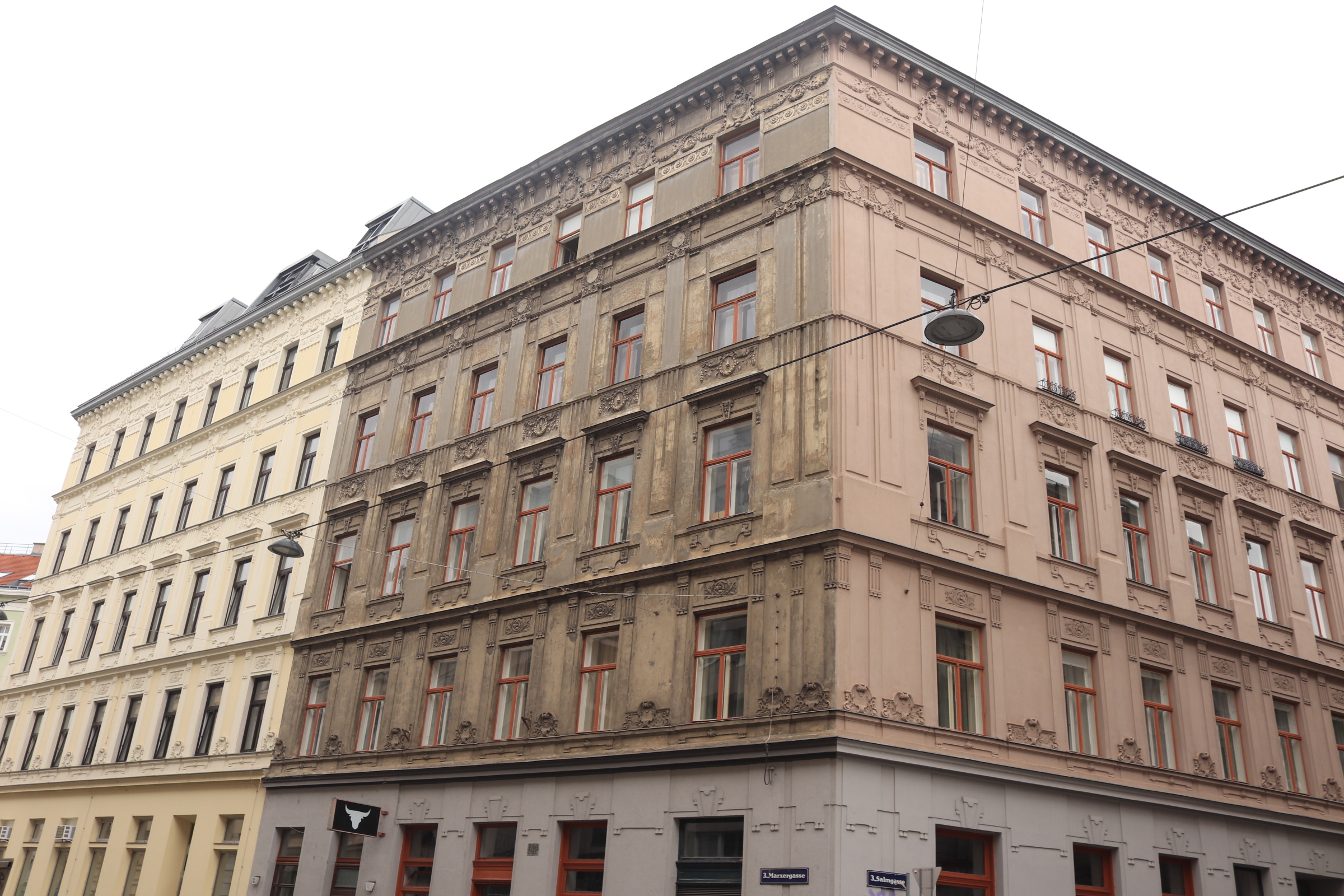
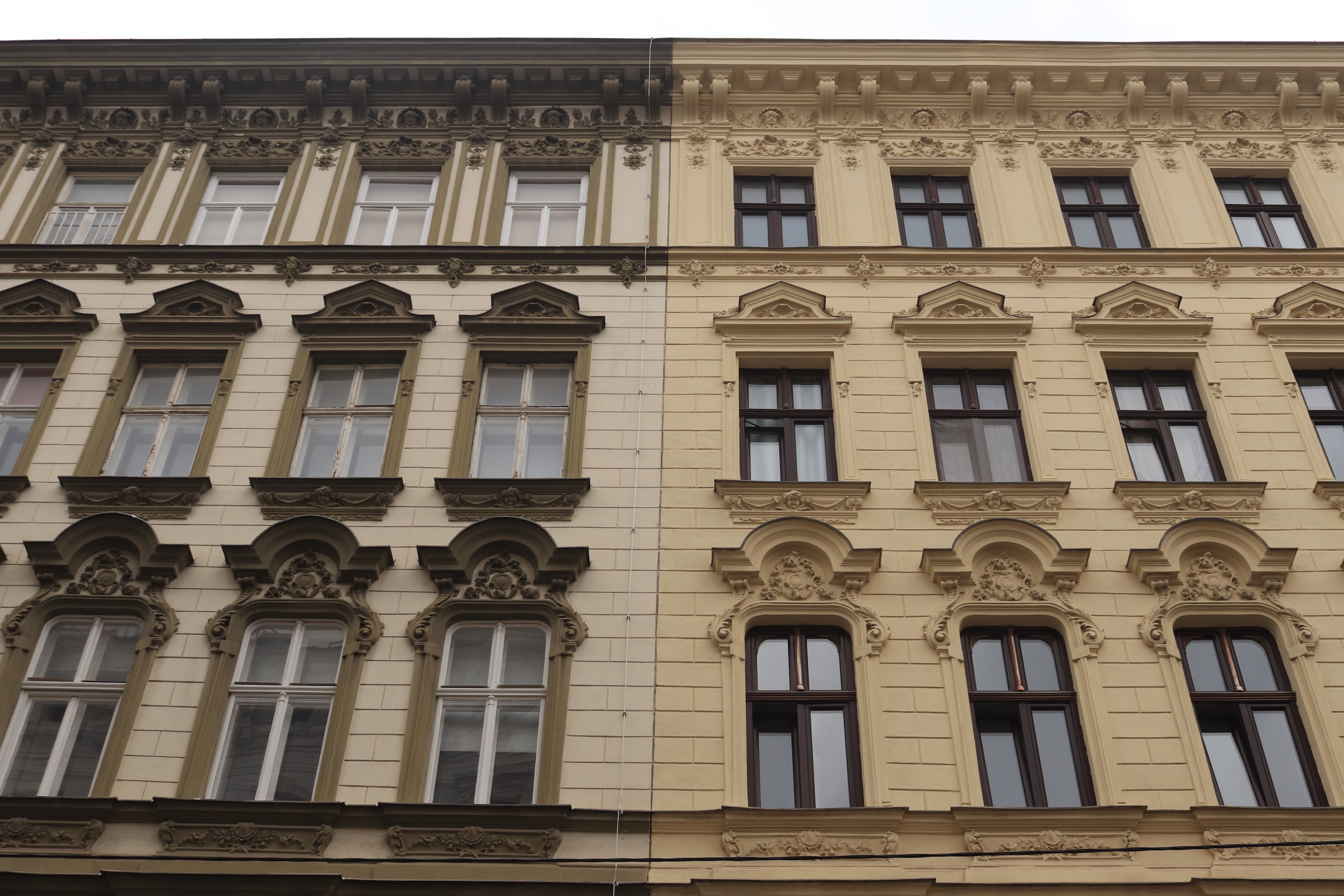
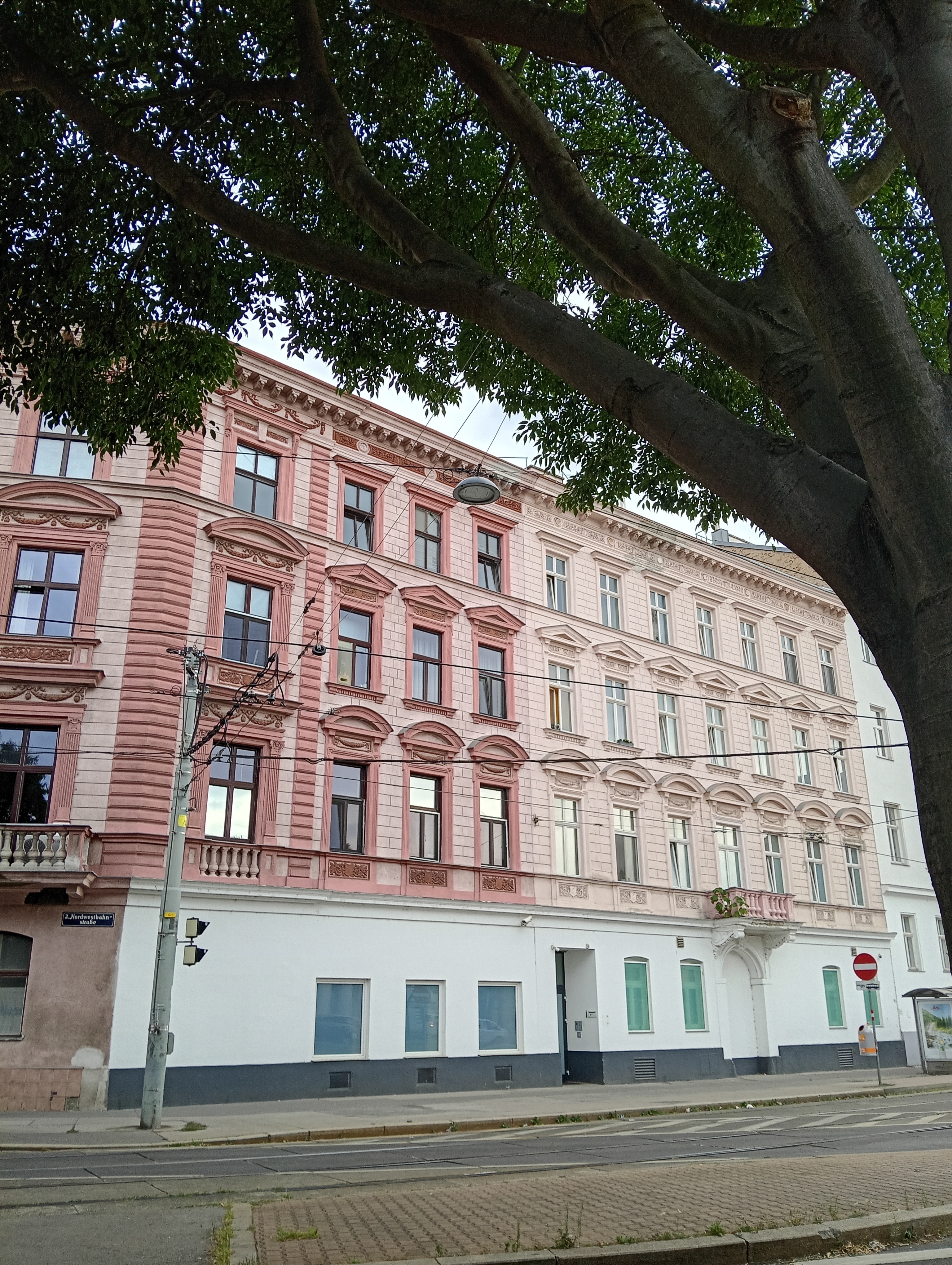
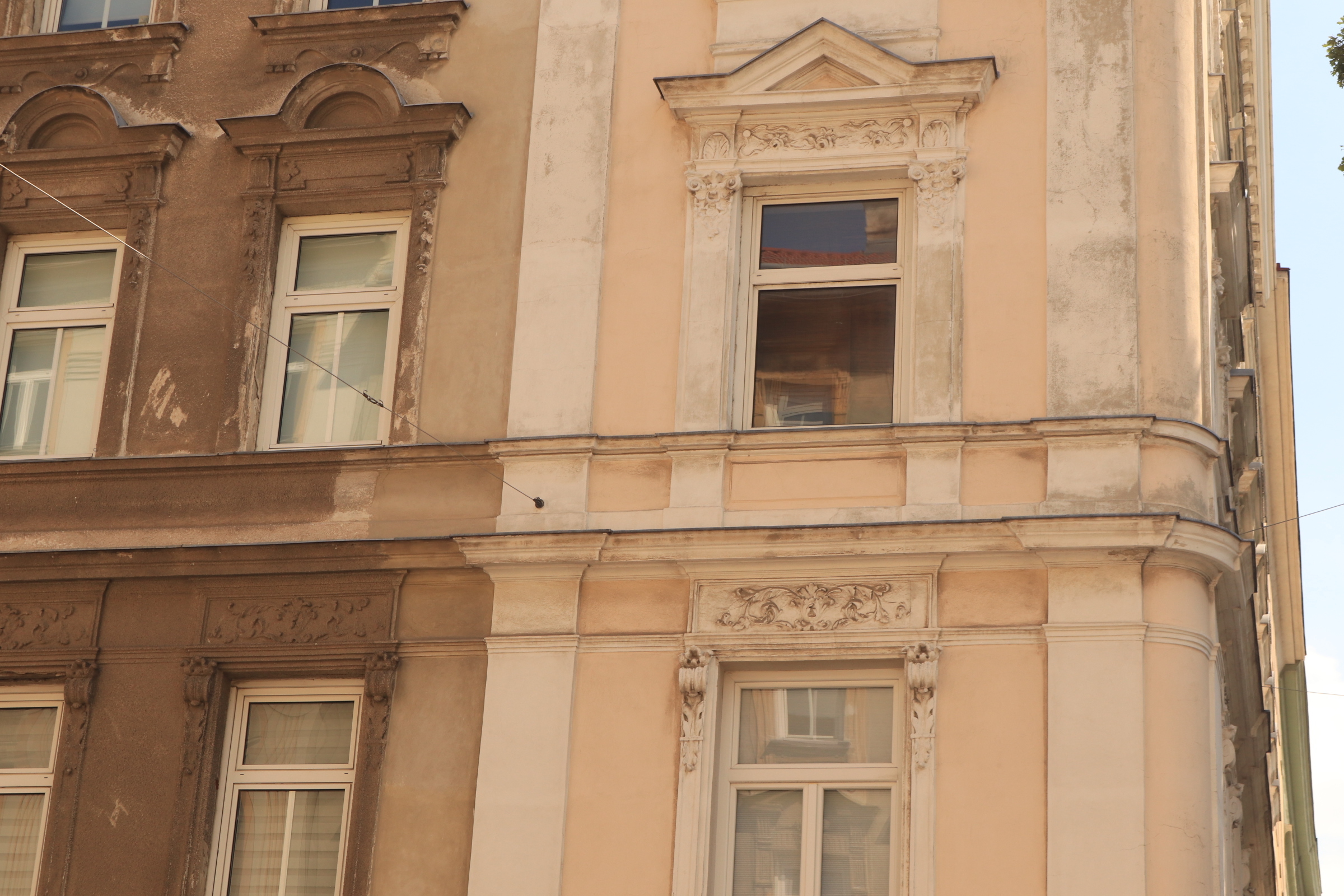
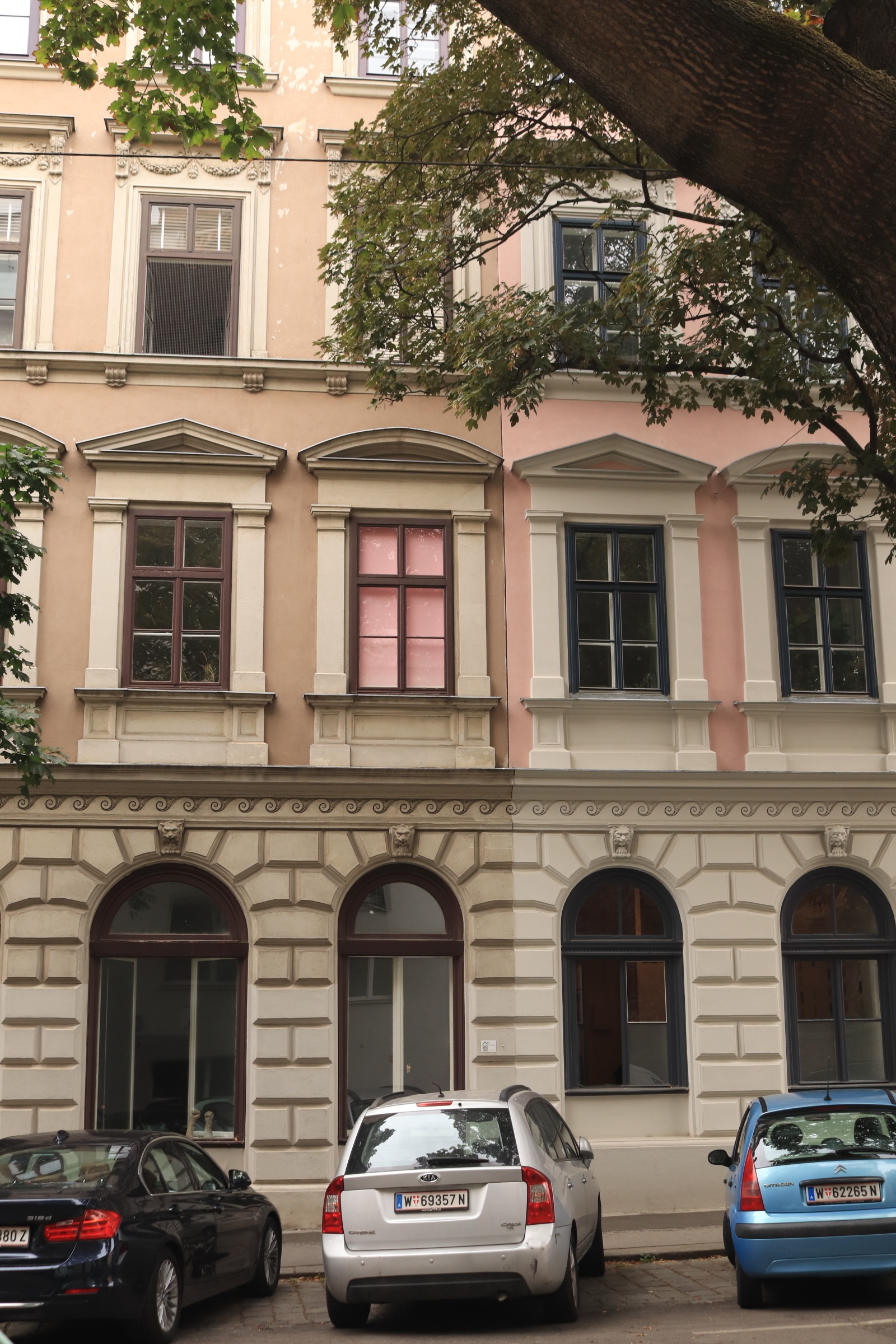
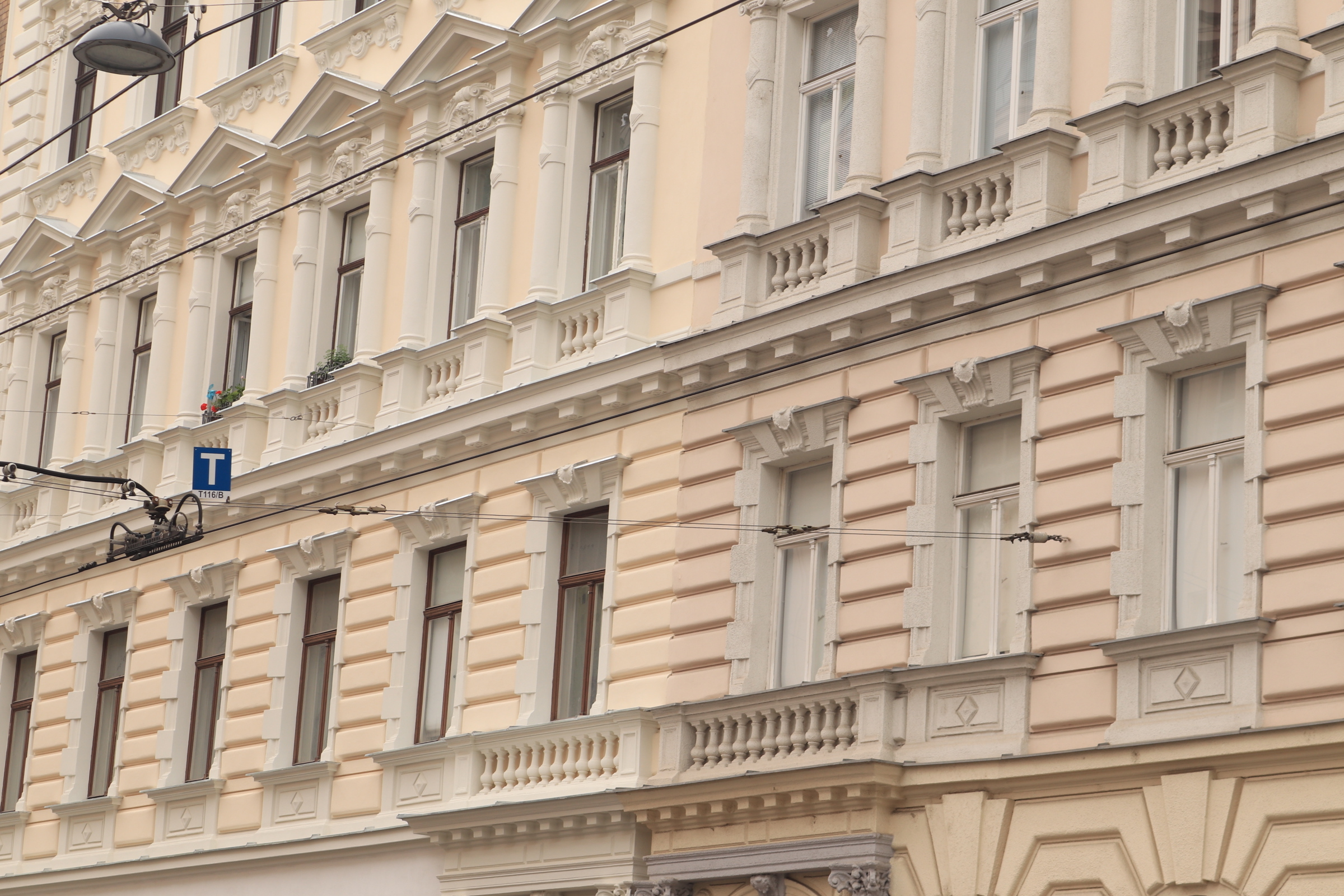
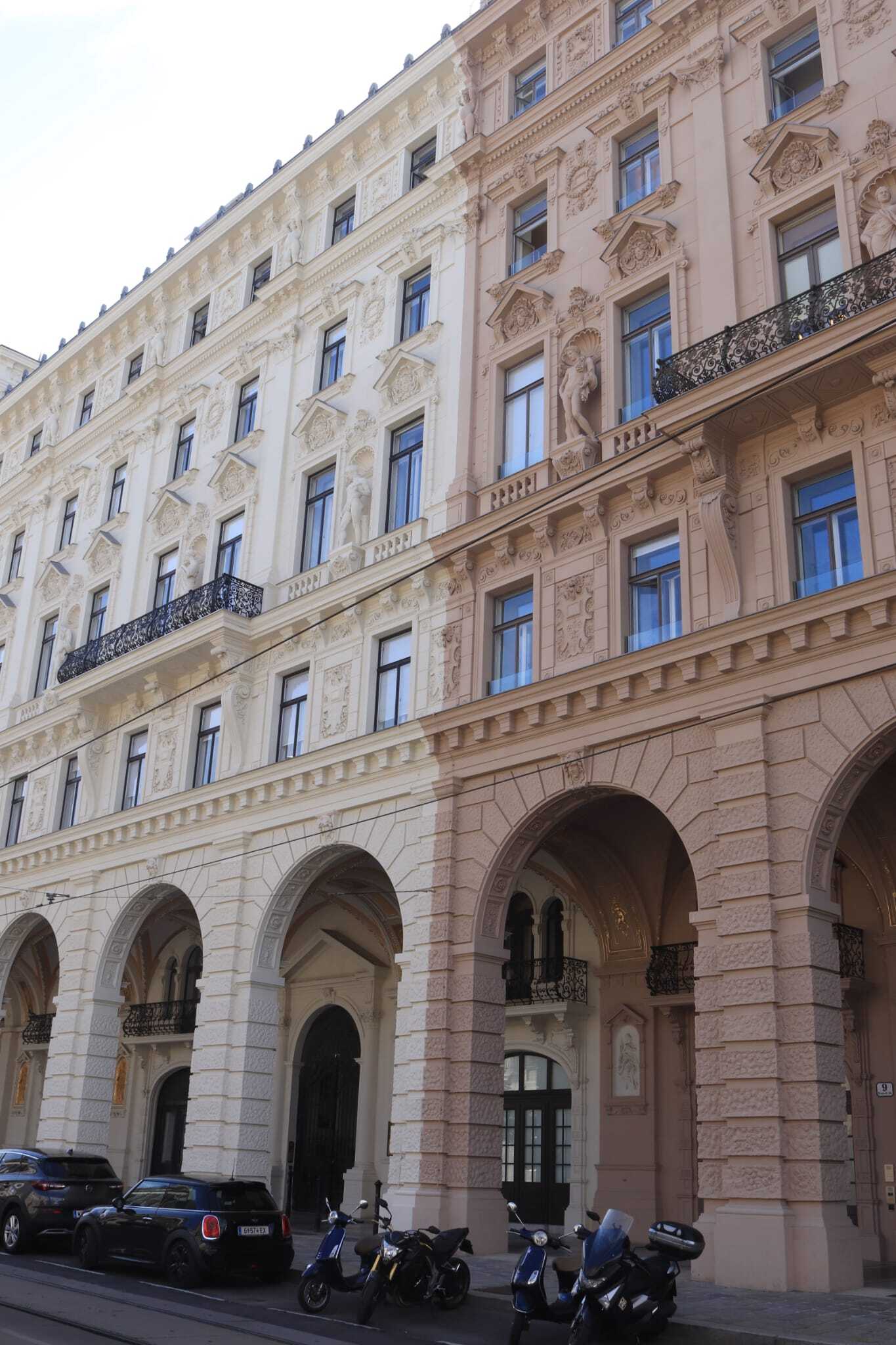
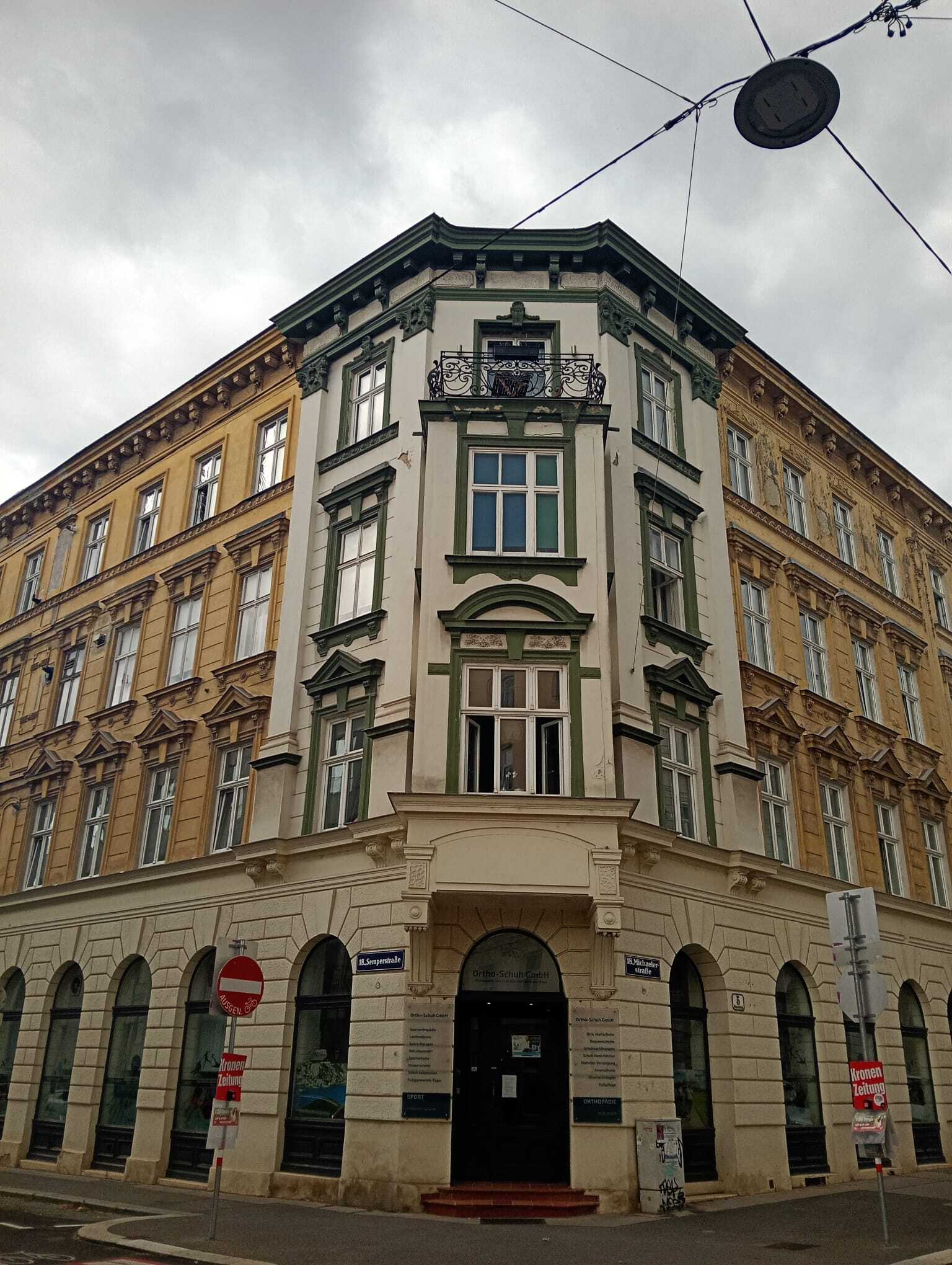
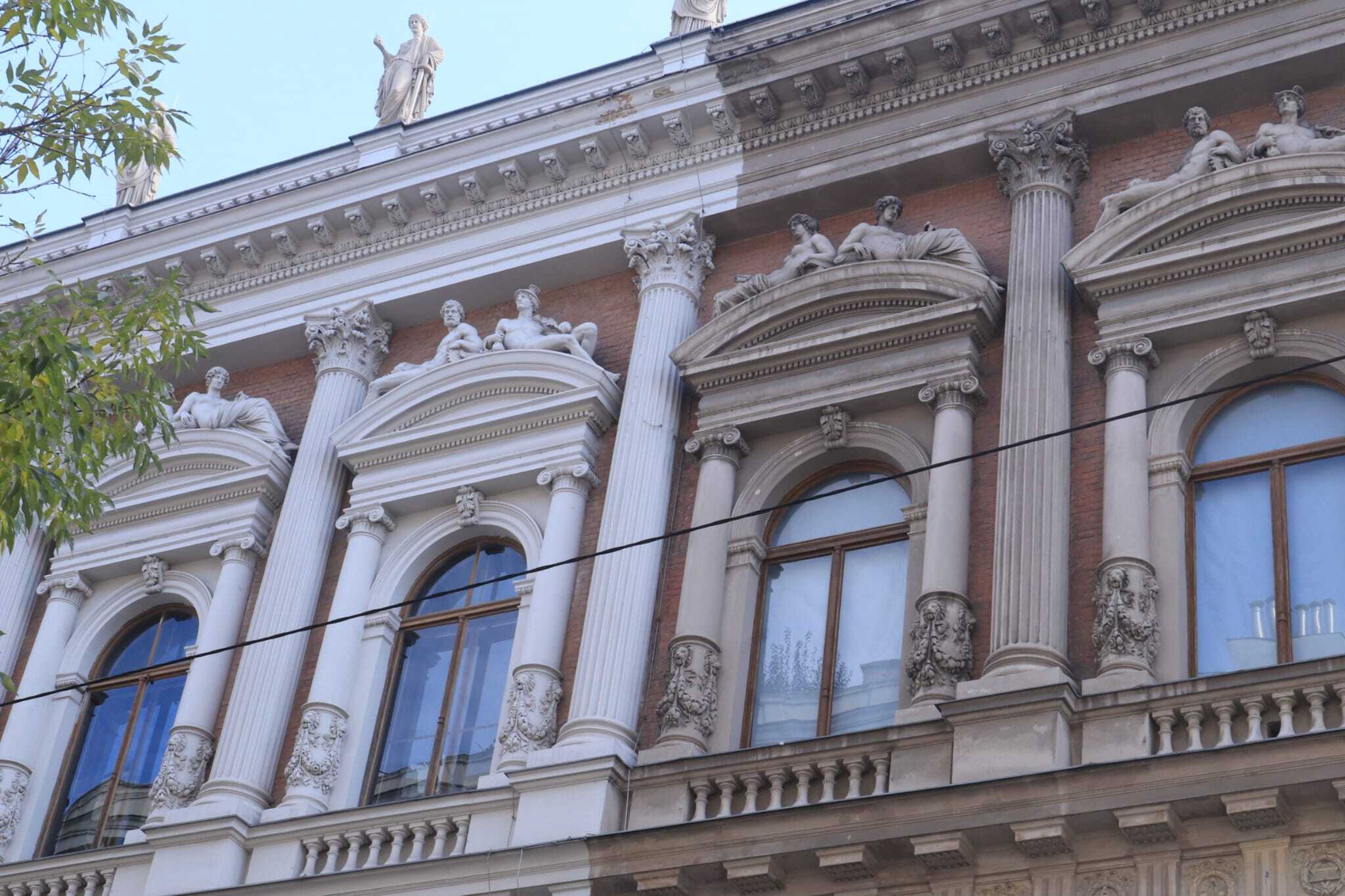
One half is freshly painted, clean and shiny. The other is brown, faded and proudly showing its age. One side has new windows, polished balconies and a carefully renovated entrance. Next door — or sometimes just a few metres away — the paint is peeling, the plaster is dirty and nobody seems to have bothered for years.
Old and new. Shiny and shabby. Beautiful and ugly.
Which one looks better?
And more importantly: why are they different?
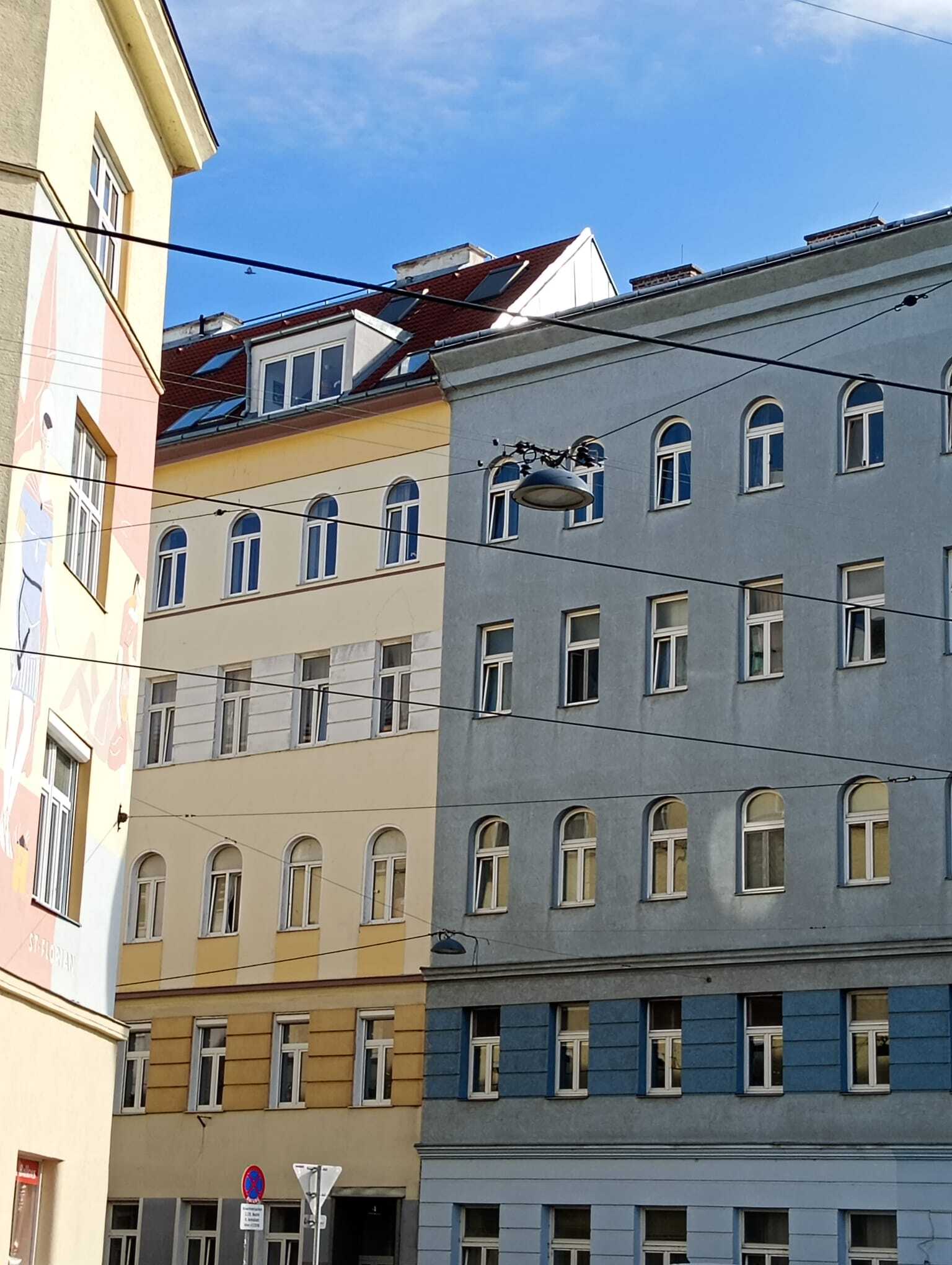
Vienna is full of these architectural frontlines. Many historic buildings have been divided between different owners over time, and each owner has made different decisions about how their piece of the city should look. Sometimes the result is almost comic: three different colours, three different windows, three different levels of renovation — all on the same building. A house with multiple personalities.
But, what is more authentic?
The perfectly restored palace, glowing in fresh paint?
Or the slightly dirty façade which still carries the marks of fifty, eighty, a hundred years of Viennese life?
Vienna likes to think of itself as an old city. A city of imperial palaces, coffee houses, grand staircases and beautiful façades. But Vienna is also constantly renovating itself, cleaning itself up, modernising and reinventing itself.
So what happens when these two Viennas meet?
The city of memory versus the city of investment.
The romantic Vienna versus the practical Vienna.
The Vienna that looks backwards — and the Vienna that wants to look forwards.
One wag once said that “the Viennese look confidently into the past.”
Perhaps these façades are proof.
Or perhaps Vienna is simply very good at doing both things at once.
There is something wonderfully Viennese about a building that is simultaneously elegant and shabby, carefully maintained and slightly neglected. A kind of shabby chic — except nobody necessarily planned it.
And here comes our project: let's look for those differences, look for the dividing lines between buildings, look for the clean half and the dirty half.
We want also this to be an interactive page, so, please, feel free to send your insights to eugene@whoosh.wien, and we can add your perspectives!
Chiara, an intern for us and a sociology student from Italy, took the pictures that you can see here, but Eugene was the mind behind the work and he inspired her to be curious and to find as many examples as she could!
Furthermore, the term “frontline” evokes the idea of a battle fought between buildings, where architecture becomes the visible ground of a dispute. It represent both a literal boundary and a metaphorical space of tension, raising the question: where is the battle fought, and who wins?